Xbox disc drive supply chain is "collapsing", pushing the console maker toward all-digital future
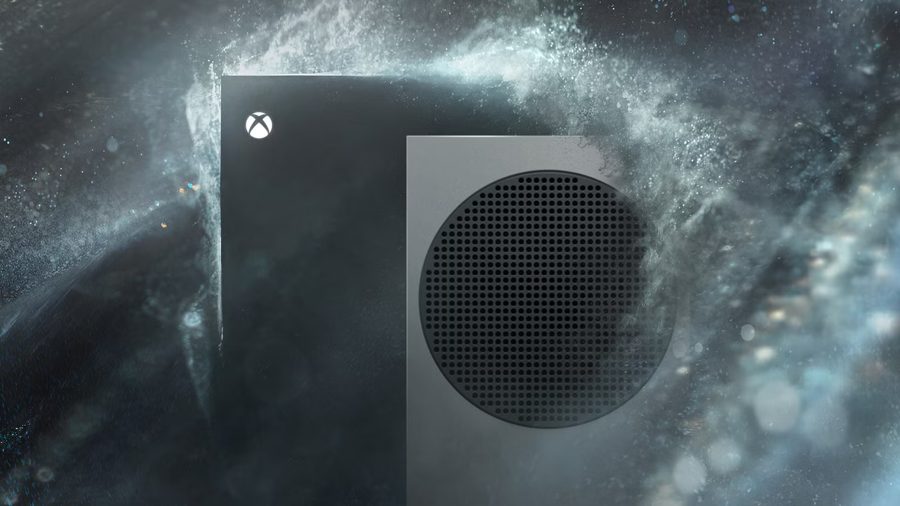
Xbox’s recently announced disc-to-digital programme, which lets owners of physical Xbox games redeem temporary digital licenses, has been interpreted by many as a soft signal that the company is preparing to abandon physical media. New reporting, however, suggests the move is less a strategic choice than a necessity driven by a fundamental breakdown in the hardware supply chain.
According to Windows Central’s Jez Corden, the decision to go digital is “less about the discs and more about the disc drives themselves.” Corden’s sources have told him that the supply chain for the components needed to manufacture optical disc drives is currently “collapsing,” as manufacturers increasingly shift away from producing the technology in response to the broader industry trend toward digital distribution.
The situation is reportedly being compounded by the fact that both Sony’s next console, the PlayStation 6, and Microsoft’s own Project Helix are expected to ship without disc drives. If the two largest console makers are no longer building drives into their machines, the market for standalone disc drives shrinks to an audience of Blu-Ray movie enthusiasts alone — a niche that is not economically viable for component suppliers. From a purely business perspective, the collapse of the supply chain makes sense: if the demand for disc drives is evaporating, the companies that make the parts have little incentive to keep producing them.
The implications for physical game discs are stark. If disc drives disappear from consoles, then physical discs become effectively useless for playing games. The reporting suggests that the physical media apocalypse is approaching rapidly, and that internal production shifts are so radical that companies may no longer be able to reverse course even if they wanted to. The conversation, the sources imply, may need to turn toward digital ownership rather than continued demands for discs that could be gone for good once 2028 arrives.
The disc-to-digital programme itself was announced earlier this week, and while it offers a bridge for existing physical game owners, it also serves as a tacit acknowledgment that the end of physical media is near. Under the programme, users with physical Xbox games can redeem temporary digital licenses for the same titles, provided they have the disc inserted. This effectively means that discs will still hold some value for a time, but the mechanism relies on the presence of a disc drive to read them — a component that is becoming increasingly scarce.
No official word has yet been given on whether Project Helix, Microsoft’s next-generation console, will support discs or not. The disc drive supply chain issues add another potential roadblock for the device, which is already the subject of intense speculation. Two separate major outlets have now reported that the situation is worsening, with the entire supply chain for optical disc drive components described as “collapsing.”
The trend is not limited to Xbox. Sony has already ceased manufacturing discs for PlayStation, and the PlayStation 6 is expected to follow suit by omitting a disc drive entirely. This coordinated shift across the industry means that even if a console manufacturer wanted to keep physical media alive, the hardware to support it may simply not be available. The supply chain collapse is not a temporary hiccup but a structural change that appears to be permanent.
For consumers who have rallied against the move to digital-only gaming, the news is sobering. The sources indicate that the industry’s internal production is shifting so radically that reversing course is no longer a realistic option. The conversation, they argue, should now focus on what digital ownership means — how licenses are managed, how games are preserved, and what happens to the libraries players have built over decades.
The Xbox Series X, which launched in November 2020 with a disc drive, still supports physical games, but the writing is on the wall. As the supply chain for disc drive components collapses, the window for physical media on consoles is closing fast. The disc-to-digital programme is a stopgap, but the underlying reality is that the hardware needed to read discs is becoming impossible to source at scale.