Playdate maker Panic refunds $12.36 tariff surcharge to customers while console giants keep the money
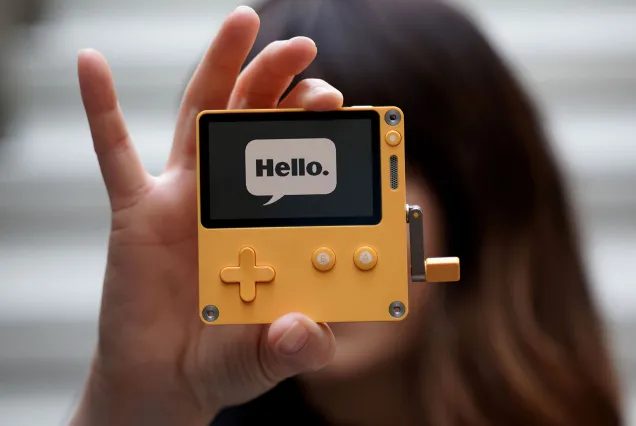
While the largest video game console makers have pocketed tariff refunds from the US government, the small company behind the Playdate handheld has taken a different path. Panic, the developer and publisher of the quirky yellow device, has confirmed it is automatically refunding the tariff surcharge it charged customers earlier this year.
The refunds were announced via email to affected customers recently. In the message, Panic explained that it had raised the Playdate's price to cover increased costs after US President Donald Trump's sweeping tariffs took effect. Now that those tariffs have been deemed unlawful and the government has returned the money to Panic, the company is passing that refund along. Each customer who paid the surcharge will receive $12.36, with the amount expected to appear in their accounts within the next few days.
A spokesperson for Panic said the decision was straightforward, noting that the money simply did not belong to the company. "It's just not our money to keep, and it felt really good to give it back," they stated.
The contrast with the rest of the industry is stark. Sony and Nintendo, among others, have been less forthcoming. While many companies have avoided directly addressing the possibility of tariff refunds, there have been instances where they have highlighted the financial benefits of those refunds. Sony and Nintendo both pointed to the positive impact on their revenue from suddenly receiving a large amount of unexpected money.
The lack of refunds has already led to legal action. Class-action lawsuits have been filed against Nintendo, seeking refunds for customers who paid the higher prices. Those cases remain undecided. Nintendo has argued in court filings that it only made "modest and selective price adjustments" and noted that it avoided increasing the price of the Switch 2 last year. The company stated that it or its retailers set a price for each product, and consumers decided whether that price was worth paying. It added that customers who bought Nintendo products received exactly what they bargained for: a console, game or accessory at a price both parties agreed to. "If a consumer did not want to pay the advertised price, they were free to abstain from purchasing the product or seek out competing products," Nintendo said.
Panic's approach stands in marked contrast to that reasoning. The company has provided detailed information on its website explaining how the refunds work. The move has been welcomed by the Playdate community, which has long appreciated the company's independent spirit and direct communication with its customers.
The Playdate itself is a small, handheld gaming device with a distinctive design, including a crank on the side. It has a dedicated following among enthusiasts who appreciate its unique library of games and its focus on novel gameplay experiences. The device is not a direct competitor to the major consoles from Sony, Nintendo and Microsoft, but its pricing has been affected by the same macroeconomic forces that have impacted the entire industry.
The refunds represent a significant gesture from a small company. While the amount per customer is modest, the principle is clear. Panic has chosen to prioritise its relationship with its customers over the financial windfall that other companies have enjoyed. It remains to be seen whether the class-action lawsuits against Nintendo and potentially other companies will result in similar refunds for their customers, but for now, Playdate owners have received a direct and unexpected benefit from the company's decision.