Trump reportedly considering new tariffs on gaming consoles that could drive up prices further
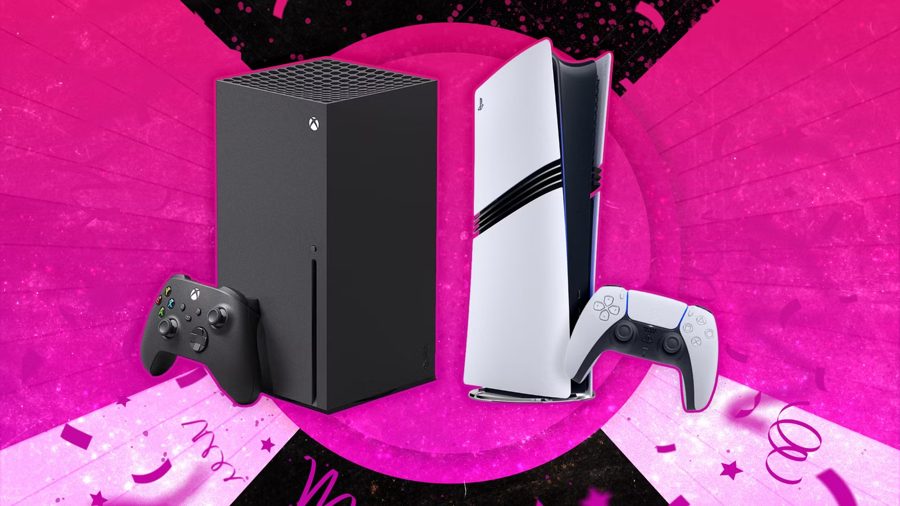
The Trump administration is reportedly weighing a fresh round of tariffs on semiconductors and the products that contain them, a move that could push the cost of gaming hardware even higher. According to a Politico report, insiders say the president is considering sweeping import taxes that would not only target chips but also devices like laptops, servers, and gaming consoles. That would potentially affect the Nintendo Switch 2, PlayStation 5, Steam Deck, and Xbox Series X.
The stated goal of the proposed tariffs is to encourage domestic chip manufacturing. One approach under consideration would tie tariff relief to investment in semiconductor factories within the United States. However, Politico’s sources stressed that the specifics remain fluid and could change significantly in the coming weeks or months.
The tech industry has broadly opposed previous tariffs on semiconductors, arguing that the US already faces a shortage of chips needed to build AI data centres. Because factories capable of producing these advanced semiconductors take years—if not decades—to construct domestically, industry figures argue that implementing such sweeping tariffs on foreign-made chips so quickly is impractical.
A familiar pattern
The new tariff proposals come after a previous round of “reciprocal tariffs” was struck down by the Supreme Court earlier this year. In a 6-3 ruling, the court declared that the president does not have the authority to unilaterally impose import taxes on other nations without legislation from Congress. That decision led to large refunds for companies that had paid the taxes, including console makers like Sony and Nintendo.
Those companies had raised prices to pass the higher costs on to consumers. Nintendo, for instance, announced price increases for the original Switch shortly after the Trump administration revealed a sweeping set of tariffs on April 2, 2025. While the company did not explicitly cite tariffs as the reason, the timing was widely interpreted as a direct link. After the Supreme Court ruling forced refunds, Nintendo boasted that the payout helped push the company to a massive quarterly profit. The manufacturer behind the Playdate directly refunded customers for the tariff-induced price increases, but Nintendo and others did not. Some consumers are now suing those companies for a share of the refunds.
Existing price pressures
Even without the prospect of new tariffs, console prices have already been climbing. The tech industry’s rush to build AI data centres has created a RAM shortage that has driven up costs. The PS5 currently costs $150 more than it did at launch, and the Xbox Series X is $300 more than its original release price. The Nintendo Switch 2 is set to receive a $50 increase in September.
Some analysts already expect Nintendo and Sony to potentially have to raise prices again next year, even before the threat of new tariffs was reintroduced. The new proposals could add further pressure, with the potential for a repeat of the previous cycle: tariffs imposed, prices raised, legal challenges, and eventual refunds that may not reach consumers.
Uncertainty ahead
The administration is reportedly looking at how new tariffs could be used as bargaining leverage to pressure companies into investing in US chip manufacturing for data centres. The approach has been described by critics as resembling a protection racket, with the implication that companies would pay tariffs unless they commit to domestic investment.
While AI companies are panicking about the potential for even higher costs, video game makers could find themselves caught in the crossfire. The semiconductor industry argues that the factories needed to produce these chips will take years to build, making the rapid imposition of tariffs impractical. With the specifics still uncertain, the gaming industry faces the prospect of another round of price hikes that could further strain consumers already dealing with elevated hardware costs.