Left 4 Dead 2 writer admits Valve leaked its own trailer to dodge ESRB rules
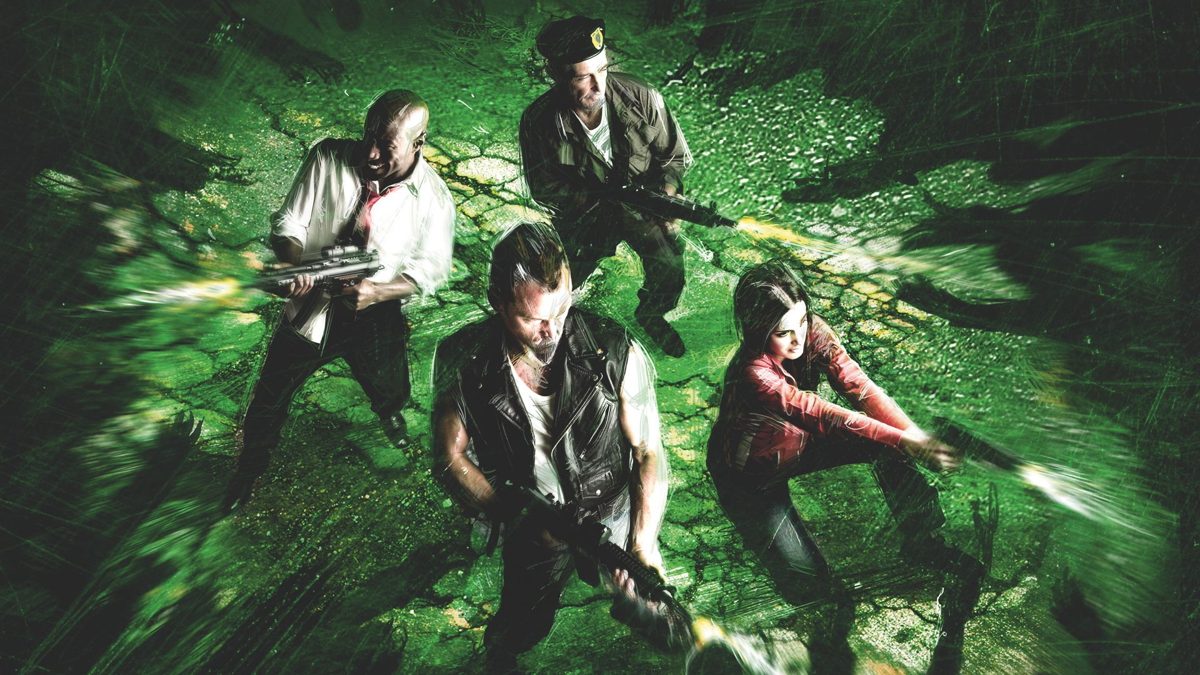
A former Valve writer has revealed that the studio deliberately leaked its own cinematic trailer for Left 4 Dead 2 to sidestep censorship rules imposed by the Entertainment Software Ratings Board. Chet Faliszek, who worked on both Left 4 Dead games, made the confession in a YouTube video about cut voice lines from the series, speaking more than a decade and a half after the sequel’s release.
Faliszek explains that Valve was locked in disputes with the ESRB, as well as ratings authorities in Australia and Germany, over profanity and violence in the zombie shooter series. At the time, the company’s lawyers insisted that writers be supervised to keep language within acceptable bounds, which meant cutting most of the strongest swear words. Faliszek said he personally preferred to push against such restrictions and let the ESRB respond, but he went along with the legal advice.
The problem, however, extended beyond the game itself. The ESRB’s rules for marketing materials differed from its rules for games. Content that might earn a game a Mature rating could see a trailer banned outright if it depicted the same violence or language. Left 4 Dead 2’s cinematic trailer, which later served as the game’s introductory cutscene, fell foul of that distinction. According to Faliszek, the trailer was no more graphic than the game, but the ESRB drew a hard line and refused to allow its official release.
Valve’s response was to make the trailer appear online by accident. “We leaked our trailer ahead of time, because they wouldn’t let us release the trailer,” Faliszek says in the video. He adds, with a hint of nervousness, that he doubts the company can face trouble now that so many years have passed. He also notes that the leaked version of the trailer has effectively vanished from the internet, making it hard to find today.
The confession came during a discussion of the many voice lines that were cut from Left 4 Dead 2 before launch. Faliszek attributed the removals partly to those ratings-board battles, which forced the team to tone down language. The video was picked up by Ars Technica and reported on by gaming outlets, giving the story wider attention.
Context of the era
Left 4 Dead 2 arrived in November 2009, just a year after the original game helped establish the modern cooperative shooter genre. That rapid turnaround, combined with the first game’s relatively short length, led some fans to accuse Valve of cynically cashing in on the original’s success. The sequel ultimately proved itself a worthy follow-up, but the new revelation suggests there was more going on behind the scenes than fans suspected—just not the kind of skulduggery they imagined.
Faliszek’s account paints a picture of a studio willing to bend the rules when it felt its creative work was being unfairly restricted. He describes the leak as a deliberate act by the team, not the work of an outsider. “It originally got leaked because we had this with the ESRB, so that’s why a lot of the language had to get toned down,” he says.
The story also highlights how much the regulatory landscape has changed since the late 2000s. At the time, Valve found itself in repeated confrontations with ratings bodies across multiple countries over the content of its games. The decision to leak its own trailer was, in Faliszek’s telling, a workaround born of frustration rather than a desire to court controversy.
Whether Valve would attempt such a stunt today is another matter. The company’s reputation for independence has persisted over the decades, but the specific circumstances that led to the Left 4 Dead 2 leak—strict trailer rules, a lawyer-mandated language crackdown, and a studio convinced its work was being unfairly judged—belong to a particular moment in gaming history. Faliszek’s confession offers a rare behind-the-scenes look at how one of the industry’s most beloved shooters nearly had its launch marketing derailed by bureaucracy.