Onimusha: Way of the Sword review – Capcom delivers a masterpiece of samurai combat
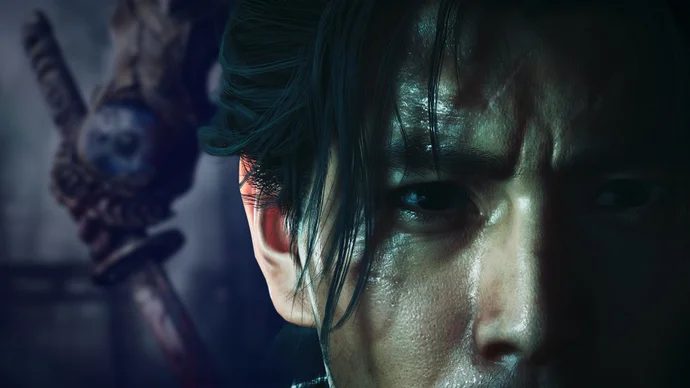
Capcom has closed out 2026 with a trilogy of major releases, and Onimusha: Way of the Sword may well be the finest of the three. This new action game, loosely based on the life of legendary swordsman Miyamoto Musashi, applies the philosophy of the 16th-century martial artist to video game design with remarkable results. The result is a title that feels less like a typical hack-and-slash and more like a study in patience, observation, and precision.
The combat system is the heart of the experience. Capcom hired actual swordsmen to refine and motion-capture the animations, and it shows. The game emphasises momentum and careful reading of enemy movements. Players can perform an 'issen' – a counterstrike that functions like a parry – by readying a light or heavy attack as an enemy strikes. This interrupts and damages the foe while opening up follow-up opportunities. However, greed is punished: Musashi, who won over 60 duels in real life, is portrayed as a reactor rather than an instigator. Feints, tells, and charges must be read and responded to, making attrition a poor strategy.
Regular attack strings feel underpowered and slightly awkward by design. They are filler moves, tools to confound and compromise rather than to kill. The most lethal attacks come after parries, deflections, dodges, or issens. By dancing around enemies and forcing them to waste stamina and dignity on whiffed attacks, players open them up both physically and psychologically. This makes longer skirmishes gruelling, demanding near-perfect execution and constant reading and riposting. It is a more effective role-play than anything in Nioh, Wo Long, or even Sekiro, more concerned with aptitude and application than with acrobatics.
Musashi’s famous manual on strategic thinking, The Book of Five Rings, provides a guiding philosophy. One maxim – “Pay attention even to trifles” – is taught through the game’s design. Capcom insists, with well-concealed hands, that players watch enemies every second they are on screen. Even fodder enemies are animated and telegraphed with such attention to detail that it makes the weaker enemies of FromSoftware’s games look embarrassing by comparison. Another maxim – “Develop intuitive judgement and understanding for everything” – is similarly woven into the gameplay loop.
The presentation is minimalist and monochromatic, a study in nature defined by simple brilliance. This aesthetic choice mirrors Musashi’s own artistic style, as he considered himself more an artist than a fighter. The game seldom over-complicates things and is composed with artisanal skill, making it a unique entry in Capcom’s 2026 lineup.
The Blood of Dawnwalker also released this week Alongside Onimusha: Way of the Sword, this week’s Japanese game releases include The Blood of Dawnwalker, developed by CD Projekt Red alumni. The Blood of Dawnwalker is a dark fantasy adventure that, while familiar in its setting, introduces bold and provocative ideas of its own. It is mostly, enormously successful in its execution. The game is available on PlayStation 5, Xbox Series, Switch, and PC. Other releases this week include Orbitals, though details on that title remain sparse.
Onimusha: Way of the Sword is available now on PlayStation 5, Xbox Series, Switch, and PC. It completes Capcom’s trilogy of major 2026 releases and, according to some critics, stands as the best of the three. Whether it surpasses the studio’s other efforts this year is a matter of taste, but its focus on tactical, observation-based combat sets it apart from the crowd.