Star Wars Zero Company review: an XCOM-like with a Mass Effect 2 heart and the best Star Wars story since Andor
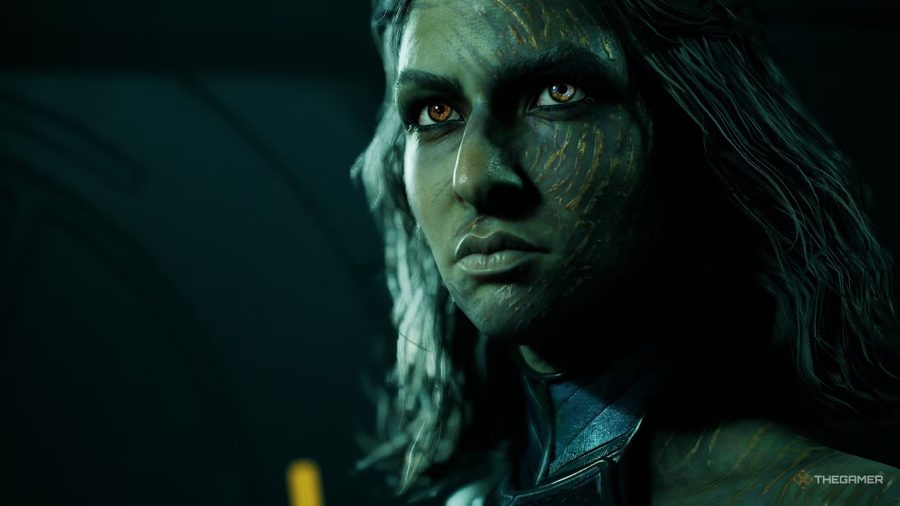
Star Wars Zero Company is the closest a Star Wars game has come to making players feel like a down-on-their-luck mercenary with their back against the wall. This roleplaying XCOM-like moves between moreish combat and narrative beats so affecting that, at times, you might want to put the controller down in the hope that everyone will be safe when you pick it back up. It is, according to one review, the best Star Wars story since Andor and the breath of life the series desperately needs.
The game kicks off at the tail end of the Clone Wars between the Republic and the Separatists. Players take on the role of Hawks, a former Republic soldier turned mercenary who runs their own outfit and believes in very little aside from being able to pay rent. Hawks is semi-customisable: you can choose from a range of origins, looks, and their first name, though these are largely aesthetic, as Hawks is otherwise a pre-written character.
Every member of Zero Company is disposable — or at least, the galaxy sees them as disposable. The cast includes Trick, a former Clone Trooper who wants to keep serving the Republic in his own way after a head injury saw him reassigned to a non-combat role; Kabb, a grizzled old fighter who speaks in a Cockney rhyming slang-like language and seems to be with you just to pass the time; and Runa, a temporarily embarrassed millionaire who acts like she’s rich enough to get screwed over by Republic taxes but couldn’t cut it with the Separatists either. The game explores all aspects of the Clone Wars in more detail, and every major character is well realised, oozing charisma in even their throwaway banter on the ship. They have more chemistry with one another than a lot of party-based RPG squads, and that is with the ability to lose any one of them to permadeath. The idea of losing any of these operators makes the experience feel like a 30-hour Mass Effect 2 suicide mission.
The Mass Effect influence runs deeper than just the stakes. All of the major characters have their own story arcs, playing out through a series of side missions and conversations between deployments. There are none of the choice-based divergences you would get in Mass Effect, but the rich writing is there, as well as the catharsis of seeing your friends confront their past.
Weapon Choices and Combat
When starting the game, players are given four weapon classes to pick from: the Blaster Pistol, Blaster Rifle, Repeater, and the Longarm Blaster, which is the game’s answer to a sniper rifle. Rather than there being a definitive best gun, each weapon is supposed to match a certain sort of character build. The Longarm Blaster requires two Action Points for every shot but has high damage, range and critical hit stats, suited for snipers who want to wait at the back of the combat arena. The Blaster Rifle is a middle-of-the-road weapon that requires one Action Point to fire the first time in a turn and two for subsequent shots, a safe choice for characters who exercise a mixture of mobility, firepower and versatility. The Blaster Pistol does less damage but only costs one Action Point per shot, allowing players to target multiple enemies or fire multiple times on a single target, suited for clearing out groups of weak foes or characters who emphasize mobility. The Repeater, effectively a minigun or heavy machine gun, uses up all the character’s remaining Action Points when fired, but its damage scales according to how many Action Points you have left, making it suited to characters who want to lay down heavy damage at the cost of all else.
Anakin Skywalker Appears
Beyond the tactical gameplay and character-driven narrative, Star Wars Zero Company also features a great moment when Anakin Skywalker pops up. During one mission, the game turns into a Jedi power fantasy, using the character for much more than a simple cameo. The inclusion of Anakin adds another layer to the story, though details of how he fits into the broader plot are not fully detailed in the available sources.
A Few Flaws
One of the few problems with Zero Company is that, while the game is rich in narrative and combat, some aspects of the experience could be improved. The review notes that there is a lack of choice-based divergences in the story, which might disappoint players expecting the full Mass Effect branching narrative. However, the strength of the writing and the emotional weight of the character arcs largely compensate for this shortcoming.
Overall, Star Wars Zero Company delivers a compelling blend of tactical combat and deep character storytelling, earning comparisons to both XCOM and Mass Effect 2. It stands as a standout Star Wars game that prioritises narrative and player attachment to its cast, making every mission feel consequential.