Star Wars Zero Company vs Total War: Warhammer 40,000: tactics, scale and story compared
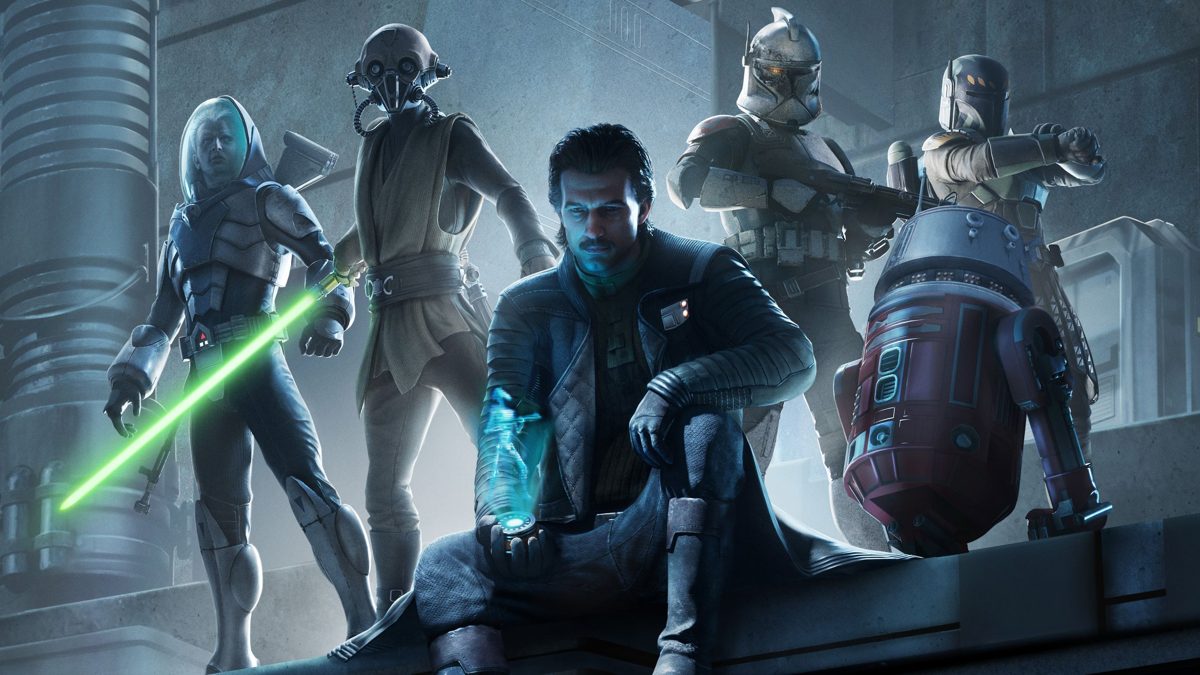
Two very different Warhammer and Star Wars strategy games are vying for attention in the same season. Star Wars Zero Company is a character-driven, XCOM-style tactical roleplaying game set at the end of the Clone Wars, while Total War: Warhammer 40,000 is a grand-scale, real-time strategy sandbox built for long-term expansion. One focuses on a small squad of down-on-their-luck mercenaries; the other on vast armies clashing across a war-torn galaxy. Comparing them means weighing intimate storytelling against enormous battlefield spectacle.
What they are
Star Wars Zero Company is the debut game from Bit Reactor, a tactics title built on the bones of XCOM. It follows a mercenary outfit operating in the closing days of the Clone Wars, between the Republic and the Separatists. The player controls Hawks, a former Republic soldier turned mercenary who runs the company and cares mainly about paying rent. The game has been described as the closest a Star Wars game has come to making players feel like a struggling merc with their back against the wall, with reviewers comparing it favourably to Andor for its grounded, economic take on the universe.
Total War: Warhammer 40,000 is the latest in the long-running Total War series, developed by Creative Assembly. It adapts the sci-fi Warhammer 40,000 setting into the grand strategy format, placing players in an especially chaotic corner of a war-torn galaxy. It won best PC game at Gamescom 2026, an award chosen by both an expert jury and the community. The game is described as aiming to be the definitive title for the 40,000 setting, and early previews suggest it may achieve that goal, with one writer noting that a single hour of play cemented it as the highlight of his year.
Gameplay
Star Wars Zero Company plays like a squad tactics game in the mould of XCOM, with complex squad building and permanent consequences for failure during missions. Combat is turn-based and mission-focused, with players managing action points and positioning. Four weapon classes are available at the start: the Blaster Pistol, Blaster Rifle, Repeater, and the Longarm Blaster, a sniper-style weapon that requires two action points per shot but offers high damage, range, and critical hit stats. The Blaster Rifle sits in the middle, costing one action point for the first shot in a turn and two for subsequent ones. Weapon choice is meant to match a character's specialization and playstyle rather than there being a single best gun.
Recruitable operators in Zero Company each have a class and a talent, but both can be respecced once a character is recruited, meaning players can pick characters they like the look of and adjust their abilities. Ten talents are available, ranging from damage boosts against elite enemies, to evasion stacks, to guaranteed critical hits, to taunts that reduce a target's damage, to bonuses to health and defence, to extra credits earned after missions. The tactical layer is deep enough that guides already exist for picking the best talents for each specialization.
Total War: Warhammer 40,000 is a grand strategy game in the traditional Total War mould, but it represents a new direction for the series because it is built around ranged combat rather than merely featuring ranged units. The sheer number of guns in the sci-fi setting has forced major changes to how the game works. It leans heavily into cover systems and sightlines, with ruined buildings and makeshift barricades playing a central role in battles. The presentation is described as brilliant, with bolters erupting with the right force and dreadnoughts stomping across maps with appropriate weight. It is also Creative Assembly's first 18-rated game, and the gore is evident: Orks running into firing lines erupt in a carnival of blood.
Content and story
The story of Star Wars Zero Company is its most praised element. Reviewers have called it the best Star Wars story since Andor and a breath of life for the franchise. The main plot involves the squad being hired to stop a Separatist cult spreading a mysterious plague, but the real narrative is about the mercenary group scraping by in an unforgiving universe. The squad is in debt and forced to do dirty work for the Hutts. Crew members include Trick, a former Clone Trooper with a head injury who technically defected from the Republic; Kabb, a grizzled old fighter who speaks in a Cockney rhyming slang-like language; and Runa Blask, a Togruta former Separatist operative who acts like a temporarily embarrassed millionaire. The cast also includes a Mandalorian warrior and a young padawan.
The game never casts the player strictly as the good guys. Hawks operates in a moral grey area that Star Wars rarely explores, and each squad member brings a different perspective from across the universe. The characters are disposable in the eyes of the galaxy, but the game makes players care about them deeply, with narrative beats so affecting that one reviewer wanted to put down the controller in the hope everyone would be safe when they picked it back up. It is described as less a sci-fi superhero story and more a kitchen sink drama about the gig economy in the Star Wars universe.
Total War: Warhammer 40,000 has not had its campaign story detailed in the same way, with previews focusing on its mechanics and scale. What is known is that it launches with four customisable factions: Space Marines, Astra Militarum, Aeldari and Ork. The game is being designed as a sandbox that Creative Assembly will keep adding to rather than splitting into sequels. Battle product owner Dave Petry has said the initial release will be the bedrock upon which the studio continues to build, inspired by the Immortal Empires mode from the previous Total War: Warhammer trilogy, which combined every faction and lord into one massive sandbox. The plan is for major releases and significant updates of varying sizes, all built on top of this single game, so players are not siphoned off into separate experiences.
Platforms and performance
Neither game has had its full platform list or performance details confirmed in available coverage. Star Wars Zero Company has been reviewed on a controller, suggesting console play is at least possible, but specific platforms have not been announced. Total War: Warhammer 40,000 won best PC game at Gamescom, and its previews have been on PC, but whether it will appear on consoles has not been confirmed. Release dates for both games are also unannounced, with Total War: Warhammer 40,000's launch window still unknown.
Price and value
Pricing has not been announced for either game. However, the long-term value propositions differ significantly based on what has been said. Star Wars Zero Company appears to be a self-contained, story-driven campaign, with its value lying in the quality of its narrative and tactical combat. Total War: Warhammer 40,000 is explicitly designed as a long-term sandbox that will receive major updates and DLC over time, with Creative Assembly intending to keep building on the same game rather than releasing sequels. Players who want a single, complete story experience may find Zero Company appealing, while those who want a game they can return to for years as it grows may prefer the Total War approach.
Which one to pick Pick Star Wars Zero Company if you want a tight, character-focused tactical RPG with a story that treats the Star Wars universe as a gritty, economic space opera. It is for players who care about squad members, enjoy turn-based combat with permanent consequences, and want a campaign that can be completed rather than a never-ending sandbox.
Pick Total War: Warhammer 40,000 if you want grand-scale strategy with enormous armies, cover-based ranged combat, and a game designed to be expanded over many years. It is for players who enjoy zooming from a single soldier fighting up close to a wide shot of an entire battlefield, and who are happy to invest in a game that will keep growing through updates rather than sequels.
What is still unconfirmed Release dates for both games have not been announced. Platforms for Star Wars Zero Company beyond controller support have not been confirmed, and Total War: Warhammer 40,000's console availability is unknown. Pricing for both games is unannounced. The full faction list and long-term content plans for Total War: Warhammer 40,000 beyond its four launch factions have not been detailed, and the full scope of Star Wars Zero Company's post-launch support, if any, has not been discussed.