The Blood of Dawnwalker puts a time limit on open-world exploration
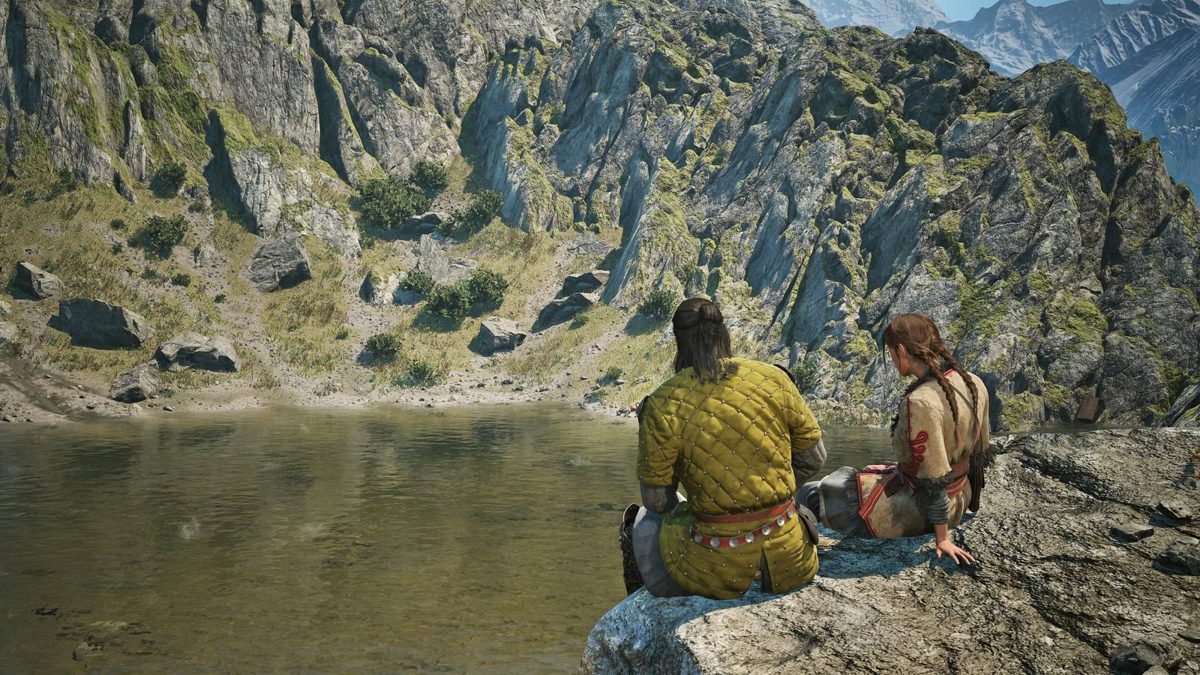
Open-world games have a procrastination problem. Plenty of players who poured dozens of hours into The Legend of Zelda: Breath of the Wild never actually reached the final confrontation with Calamity Ganon, choosing instead to chase side quests, collect Korok seeds and generally delay the endgame. The Blood of Dawnwalker is designed to break that habit. Instead of letting players wander forever, it introduces a ticking clock that forces a confrontation, and early impressions suggest the pressure makes the game more compelling rather than more stressful.
The game casts the player as Coen, a young man with vampiric powers who is caught up in political upheaval after his family is taken by a ruling class of vampires that has terrorised his town. The group is led by Brencis, a ruthless figure who plans to kill Coen’s family as part of a blood ritual. That ritual is set to take place 30 days after the abduction, and the entire game is built around that countdown.
Time as a resource
That premise drives an unusual time management system. Every quest Coen undertakes while preparing for his showdown with Brencis costs a segment of time. Players have a limited number of segments to spend each day and night, and it is impossible to complete everything the game offers in a single playthrough. Each choice carries weight, forcing players to decide which actions will genuinely help them in the coming fight.
The system sounds as though it could be anxiety-inducing, but early hands-on reports suggest it is anything but. Players quickly learn that a great deal can be accomplished with the time available, whether that means taking down Brencis’ closest soldiers, securing powerful equipment or rallying allies. In fact, the opening hours are described as less stressful than those of a typical open-world title. The game grants immense freedom from the start, with very few main quests demanding attention. One previewer compared the first ten days to a road trip, charting routes across a sprawling map and letting the environment guide the journey. It is even possible to make a direct beeline for Brencis, though doing so early would almost certainly end badly.
A clock that always ticks
Where The Blood of Dawnwalker departs from other open-world games is that the clock never stops. Every moment spent brings the player closer to the encounter with Brencis, and there is no way to postpone it indefinitely. The game will force a resolution by a set day and time, even if the player feels unprepared. That structure removes the option of endless preparation and demands that players commit to a plan.
The design philosophy appears to be a deliberate answer to the genre’s tendency toward open-ended play. Many players of Breath of the Wild reported the same feeling: they could challenge Ganon at any moment but were not ready to be done with the world. The Blood of Dawnwalker aims to resolve that crisis by making time itself a gameplay tool. Rather than punishing completionists, it encourages them to think about what really matters.
Early coverage positions the game as a potential genre-shifter, one that could reshape a category known for endless wandering. The combination of a strict deadline and genuine freedom is unusual, and the early hours demonstrate how the two ideas can coexist. Players are given the run of a large map and the means to explore it, but they are also reminded that the story has an endpoint.
The Blood of Dawnwalker has not yet received a confirmed release date. What is known so far is that the game leans heavily on its time-based premise to create tension and meaningful choice, and that its prologue establishes the stakes immediately. Whether the system holds up over a full playthrough remains to be seen, but the concept has already drawn attention for tackling a problem many open-world titles have long ignored.